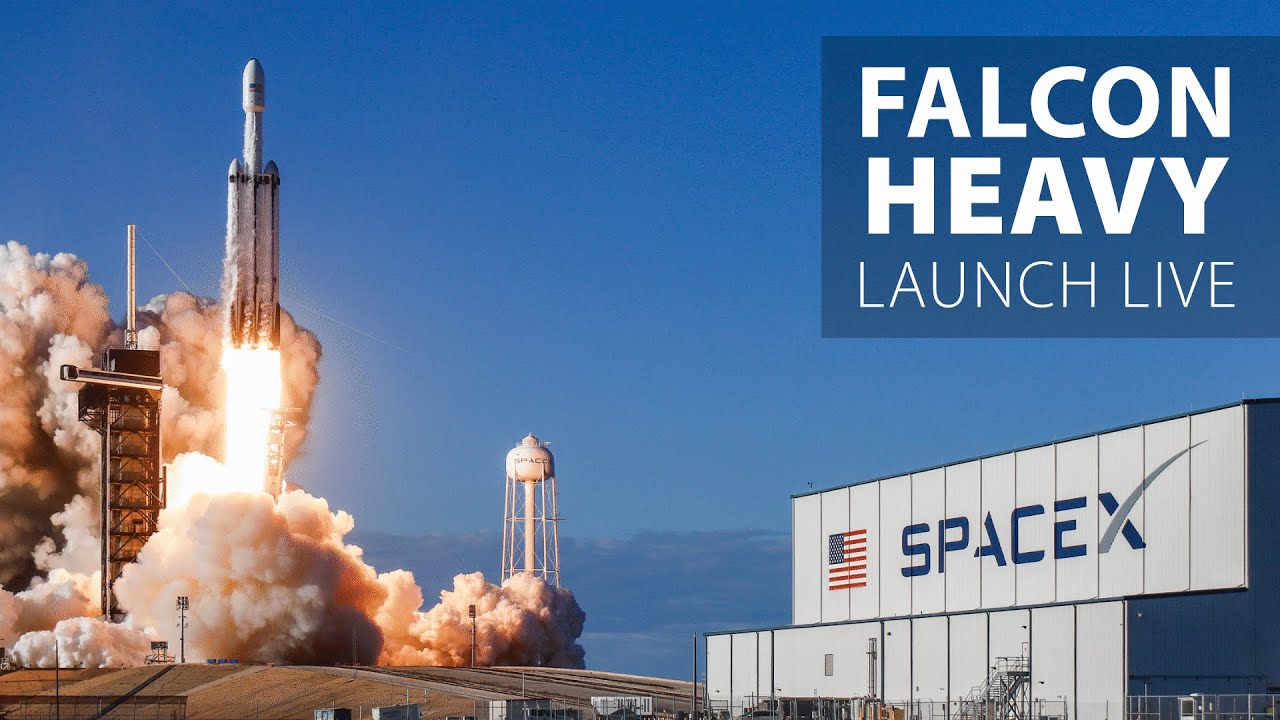
On 12 June 2026, SpaceX completed the largest initial public offering in history. It listed on the Nasdaq under the ticker SPCX, priced its shares at $135, sold roughly 555.6 million of them, and raised about $75 billion, a deal that eclipsed Saudi Aramco's 2019 record. The offer valued the company at about $1.77 trillion. By the closing bell the stock had climbed 19 percent to $160.95, lifting the market capitalisation past $2 trillion and making Elon Musk the world's first trillionaire on paper.
And yet, in the same prospectus that justified this number, SpaceX disclosed a 2025 net loss of $4.9 billion on revenue of $18.7 billion. The market did not flinch. Investors handed a loss-making company one of the richest valuations on earth and then bid it higher on day one.
This is the paradox worth sitting with, and it is not a new one. Indonesia watched the same logic play out four years earlier. But to understand how similar the two stories really are, and where they sharply diverge, you have to follow the profit, not just the valuation.
SpaceX: two decades in the red, a brief profit, then a deliberate return to loss
SpaceX did not stumble into a loss in 2025. It chose one. For most of its life the company lost money, as you would expect of a firm spending two decades learning to build and reuse rockets. What changed everything was Starlink, its satellite-internet arm, which converted heavy upfront capital into recurring subscription revenue.
The turn is visible in the numbers. In 2021 SpaceX posted a net loss of about $968 million. In 2022 it cut that loss to roughly $559 million as revenue doubled to $4.6 billion. In the first quarter of 2023 it recorded its first-ever quarterly profit, a slim $55 million on $1.5 billion in revenue, after two straight years of annual losses, with Starlink turning profitable that year. By 2024, before any AI losses were folded in, the underlying business was firmly in the black, with net income on the order of $791 million on revenue of about $14.1 billion. After more than twenty years, SpaceX was finally making money.
Then it walked straight back out. In February 2026 SpaceX absorbed xAI, Musk's artificial-intelligence company, which had earlier swallowed the social network X. Consolidating that loss-making AI business onto the books is what produced the $4.9 billion net loss in 2025, and an even steeper loss of about $4.3 billion in the first quarter of 2026 alone, against a loss of just $528 million in the same quarter a year before. The detail that matters is where the loss lives. The Connectivity segment, driven by Starlink, generated $11.4 billion of revenue in 2025, about 61 percent of the company total, and $4.42 billion in operating profit, and was the only profitable division. The damage came from the AI segment, which lost roughly $6.35 billion at the operating level, while heavy Starship development spending pushed the rocket business to a $657 million operating loss of its own. In short: a cash-generating core, deliberately diverting its earnings into an unproven, expensive bet. On an adjusted-EBITDA basis the company was still positive, at about $6.6 billion in 2025.
GoTo: the mirror image, clawing its way out of loss
Gojek's path runs in the opposite direction. Founded in 2009, Gojek merged with the e-commerce platform Tokopedia in 2021 to create GoTo, Indonesia's largest digital ecosystem. It had lost money for years, losses ran into the trillions of rupiah annually before the listing, including around Rp 16.7 trillion in 2020, and it carried that condition straight onto the public market.
GoTo listed on the Indonesia Stock Exchange on 11 April 2022 under the ticker GOTO. It raised about $1.1 billion (Rp 15.8 trillion) at a market capitalisation near $28 billion, the largest listing in Indonesian history and among the biggest in Asia that year, drawing a record 300,000 retail investors. The shares jumped as much as 23 percent intraday and closed their debut up 13 percent. The company was deeply unprofitable, going on to post a net loss of about Rp 40.4 trillion, roughly $2.6 billion, for 2022.
The following year looked far worse on paper, with a net loss of about Rp 90.5 trillion. But roughly Rp 78.8 trillion of that was a single non-cash goodwill write-off, triggered when GoTo ceded control of Tokopedia to TikTok in a transaction effective February 2024, rather than operational bleeding. GoTo's own management stressed the charge had no impact on cash flow or operating performance.
From there the grind worked. In 2024 GoTo's net loss collapsed by roughly 96 percent to about Rp 3.1 trillion, and the company posted its first full year of underlying profit, with adjusted EBITDA of around Rp 386 billion. Through 2025 the improvement continued: record quarterly adjusted EBITDA, operating profit turning positive, and a first small pre-tax profit of about Rp 62 billion across the first nine months of the year, even as a modest net loss lingered at the bottom line. The route was unglamorous (cutting driver and user subsidies, leaning on higher-margin fintech, and migrating to cheaper cloud infrastructure) but it was a steady climb out of the hole, not a leap into a new one.
What is the same, and what is not
Where the two rhyme:
Both staged record-setting IPOs: SpaceX the largest in history, GoTo the largest in Indonesian history and among Asia's biggest in its year.
, Both commanded enormous valuations while reporting large headline net losses.
, Both rest on a single dominant profit engine subsidising everything else, Starlink for SpaceX, fintech and the core on-demand and marketplace business for GoTo, and on a growth story priced years ahead of current earnings.
, Both lean on adjusted EBITDA to show underlying health beneath a GAAP loss.
, Both drew heavy retail participation and popped on debut, SpaceX up 19 percent and GoTo up 13 percent.
Where they part ways:
Scale: trillions of dollars versus tens of billions.
, Direction of travel: SpaceX entered public markets profitable and chose to dive back into loss; GoTo entered unprofitable and has spent years engineering its way toward break-even.
, Nature of the loss: SpaceX's red ink is a deliberate forward investment in AI layered on top of a profitable core; GoTo's was structural to its early business model, then dominated by a one-off, non-cash impairment.
, The aftermath we can already see: GoTo's triumphant debut did not hold. Within roughly eight months, as early-investor lock-ups expired and the global tech sell-off arrived, the stock had shed close to 70 percent of its value. SpaceX's long-term arc is still unwritten.
That last point is the one to hold onto. GoTo's first-day pop validated nothing. The same narrative that justifies a sky-high multiple on the way up provides no floor on the way down, and a valuation built on a story is only ever worth what the next buyer believes the story to be. SpaceX has a genuine advantage GoTo never had at listing, a profitable core throwing off billions in cash, which gives it a sturdier floor. But the question investors are underwriting is identical in both cases: how long will the market keep funding losses on the strength of a vision rather than a balance sheet?
None of this is investment advice. It is simply a reminder that a record valuation and a billion-dollar loss can coexist for exactly as long as investors keep believing the story, and not a day longer.
Pada 12 Juni 2026, SpaceX menyelesaikan penawaran saham perdana terbesar dalam sejarah. Sahamnya tercatat di Nasdaq dengan kode SPCX, dihargai $135 per lembar, menjual sekitar 555,6 juta saham, dan meraih sekitar $75 miliar, sebuah transaksi yang melampaui rekor Saudi Aramco pada 2019. Penawaran ini menilai perusahaan pada angka sekitar $1,77 triliun. Pada penutupan perdagangan, harga saham telah naik 19 persen ke $160,95, mendorong kapitalisasi pasar melampaui $2 triliun dan menjadikan Elon Musk sebagai triliunder pertama di dunia di atas kertas.
Namun, dalam prospektus yang sama yang membenarkan angka tersebut, SpaceX mengungkapkan kerugian bersih 2025 sebesar $4,9 miliar dari pendapatan $18,7 miliar. Pasar tidak bergeming. Investor menyerahkan salah satu valuasi tertinggi di muka bumi kepada perusahaan yang masih merugi, lalu menawar harganya lebih tinggi lagi di hari pertama.
Inilah paradoks yang layak untuk direnungkan, dan ini bukan hal baru. Indonesia pernah menyaksikan logika yang sama empat tahun sebelumnya. Namun untuk memahami seberapa mirip kedua kisah ini sesungguhnya, dan di mana keduanya berbeda tajam, kita harus mengikuti jejak profit-nya, bukan sekadar valuasinya.
SpaceX: dua dekade di zona merah, sebentar meraih untung, lalu kembali merugi secara sengaja
SpaceX tidak terpeleset ke dalam kerugian pada 2025. Itu adalah sebuah pilihan. Selama sebagian besar hidupnya, perusahaan ini memang merugi, hal yang wajar bagi perusahaan yang menghabiskan dua dekade mempelajari cara membangun dan menggunakan kembali roket. Yang mengubah segalanya adalah Starlink, divisi internet satelitnya, yang mengonversi modal awal yang sangat besar menjadi pendapatan berlangganan yang berulang.
Perubahan ini terlihat jelas dalam angka-angkanya. Pada 2021, SpaceX mencatat kerugian bersih sekitar $968 juta. Pada 2022, kerugian itu dipangkas menjadi sekitar $559 juta seiring pendapatan berlipat ganda menjadi $4,6 miliar. Pada kuartal pertama 2023, perusahaan mencatat laba kuartalan pertamanya (tipis, hanya $55 juta dari pendapatan $1,5 miliar) setelah dua tahun berturut-turut rugi tahunan, dengan Starlink mulai menguntungkan pada tahun tersebut. Pada 2024, sebelum kerugian AI apa pun dimasukkan ke dalam pembukuan, bisnis inti perusahaan sudah benar-benar positif, dengan laba bersih sekitar $791 juta dari pendapatan sekitar $14,1 miliar. Setelah lebih dari dua puluh tahun, SpaceX akhirnya menghasilkan keuntungan.
Kemudian semuanya berbalik arah. Pada Februari 2026, SpaceX menyerap xAI, perusahaan kecerdasan buatan milik Musk, yang sebelumnya telah mengakuisisi jejaring sosial X. Mengonsolidasikan bisnis AI yang merugi itulah yang menghasilkan kerugian bersih $4,9 miliar pada 2025, dan kerugian yang bahkan lebih dalam sekitar $4,3 miliar hanya dalam kuartal pertama 2026, bandingkan dengan kerugian $528 juta pada kuartal yang sama setahun sebelumnya. Detail yang terpenting adalah di mana kerugian itu berada. Segmen Konektivitas yang digerakkan Starlink menghasilkan $11,4 miliar pendapatan pada 2025, sekitar 61 persen dari total perusahaan, dan $4,42 miliar laba operasional, satu-satunya divisi yang benar-benar menguntungkan. Kerugiannya berasal dari segmen AI yang rugi sekitar $6,35 miliar di tingkat operasional, sementara pengeluaran pengembangan Starship yang besar mendorong bisnis roket ke kerugian operasional senilai $657 juta. Singkatnya: inti bisnis yang menghasilkan kas secara sengaja mengalirkan penghasilannya ke dalam sebuah taruhan mahal yang belum terbukti. Secara adjusted EBITDA, perusahaan masih positif, sekitar $6,6 miliar pada 2025.
GoTo: bayangan cermin, berjuang keluar dari kerugian
Perjalanan Gojek berjalan ke arah yang berlawanan. Didirikan pada 2009, Gojek bergabung dengan platform e-commerce Tokopedia pada 2021 untuk membentuk GoTo, ekosistem digital terbesar di Indonesia. Selama bertahun-tahun perusahaan ini merugi (kerugian menembus triliunan rupiah per tahun sebelum pencatatan saham, termasuk sekitar Rp 16,7 triliun pada 2020) dan kondisi itu dibawa langsung ke pasar publik.
GoTo tercatat di Bursa Efek Indonesia pada 11 April 2022 dengan kode GOTO. Perusahaan meraih sekitar $1,1 miliar (Rp 15,8 triliun) dengan kapitalisasi pasar mendekati $28 miliar, menjadi pencatatan terbesar dalam sejarah Indonesia dan salah satu terbesar di Asia tahun itu, dengan rekor 300.000 investor ritel yang turut berpartisipasi. Sahamnya melonjak hingga 23 persen saat intraday dan menutup hari debutnya naik 13 persen. Perusahaan ini sangat tidak menguntungkan, dan lalu mencatat kerugian bersih sekitar Rp 40,4 triliun, atau sekitar $2,6 miliar, untuk tahun 2022.
Tahun berikutnya tampak jauh lebih buruk di atas kertas, dengan kerugian bersih sekitar Rp 90,5 triliun. Namun sekitar Rp 78,8 triliun di antaranya merupakan penghapusan goodwill non-tunai satu kali yang dipicu ketika GoTo menyerahkan kendali Tokopedia kepada TikTok dalam transaksi yang berlaku sejak Februari 2024, bukan akibat perdarahan operasional. Manajemen GoTo sendiri menegaskan bahwa beban ini sama sekali tidak berdampak pada arus kas maupun kinerja operasional perusahaan.
Dari titik itu, perjuangan perlahan membuahkan hasil. Pada 2024, kerugian bersih GoTo anjlok sekitar 96 persen menjadi sekitar Rp 3,1 triliun, dan perusahaan mencatat tahun penuh pertamanya dengan laba underlying, dengan adjusted EBITDA sekitar Rp 386 miliar. Sepanjang 2025, perbaikan terus berlanjut: adjusted EBITDA kuartalan mencapai rekor, laba operasional berbalik positif, dan laba sebelum pajak pertama sebesar sekitar Rp 62 miliar tercatat selama sembilan bulan pertama tahun tersebut, meski kerugian bersih yang tipis masih tersisa di baris terbawah. Jalan yang ditempuh memang tidak glamor (memangkas subsidi pengemudi dan pengguna, mengandalkan bisnis fintech bermargin lebih tinggi, dan bermigrasi ke infrastruktur cloud yang lebih murah) namun ini adalah pendakian yang konsisten keluar dari lubang, bukan lompatan ke dalam lubang yang baru.
Apa yang sama, dan apa yang tidak
Di mana keduanya serupa:
Keduanya menggelar IPO yang memecahkan rekor: SpaceX yang terbesar dalam sejarah dunia, GoTo yang terbesar dalam sejarah Indonesia dan termasuk yang terbesar di Asia pada tahunnya.
, Keduanya memegang valuasi luar biasa besar sementara melaporkan kerugian bersih yang signifikan.
, Keduanya bertumpu pada satu mesin profit yang dominan untuk mensubsidi segalanya, Starlink untuk SpaceX, fintech serta inti bisnis on-demand dan marketplace untuk GoTo, dan pada narasi pertumbuhan yang dihargai bertahun-tahun sebelum laba saat ini terwujud.
, Keduanya mengandalkan adjusted EBITDA untuk menunjukkan kesehatan underlying di balik kerugian GAAP.
, Keduanya menarik partisipasi ritel yang besar dan melonjak di hari debut: SpaceX naik 19 persen dan GoTo naik 13 persen.
Di mana keduanya berbeda:
Skala: triliunan dolar versus puluhan miliar.
, Arah perjalanan: SpaceX memasuki pasar publik dalam kondisi menguntungkan dan memilih untuk kembali ke zona merah; GoTo masuk dalam kondisi merugi dan telah bertahun-tahun berjuang keluar menuju titik impas.
, Sifat kerugian: tinta merah SpaceX merupakan investasi ke depan yang disengaja dalam AI yang diletakkan di atas inti yang menguntungkan; kerugian GoTo bersifat struktural pada model bisnis awalnya, kemudian didominasi oleh penurunan nilai non-tunai satu kali.
, Dampak yang sudah dapat kita saksikan: debut gemilang GoTo tidak bertahan. Dalam waktu sekitar delapan bulan, ketika masa lock-up investor awal berakhir dan gelombang aksi jual teknologi global tiba, sahamnya telah kehilangan hampir 70 persen nilainya. Perjalanan jangka panjang SpaceX masih belum tertulis.
Poin terakhir itulah yang perlu dipegang teguh. Lonjakan GoTo di hari pertama tidak memvalidasi apa pun. Narasi yang sama yang membenarkan kelipatan valuasi tertinggi ketika harga naik tidak memberikan lantai ketika harga turun, dan valuasi yang dibangun di atas sebuah cerita hanya bernilai sebesar apa yang dipercaya oleh pembeli berikutnya. SpaceX memiliki keunggulan nyata yang tidak pernah dimiliki GoTo saat pencatatan saham, inti yang menguntungkan yang menghasilkan miliaran dolar tunai, yang memberikannya landasan yang jauh lebih kokoh. Namun pertanyaan yang dipertaruhkan investor adalah identik dalam kedua kasus: berapa lama pasar akan terus mendanai kerugian atas kekuatan sebuah visi, bukan neraca keuangan?
Tidak ada dari tulisan ini yang merupakan saran investasi. Ini hanyalah pengingat bahwa valuasi yang memecahkan rekor dan kerugian miliaran dolar dapat hidup berdampingan, selama investor terus mempercayai ceritanya, dan tidak ada sehari pun setelahnya.