INVESTMENT • January 27, 2026
The Miracle of the "Modest" 20 Percent
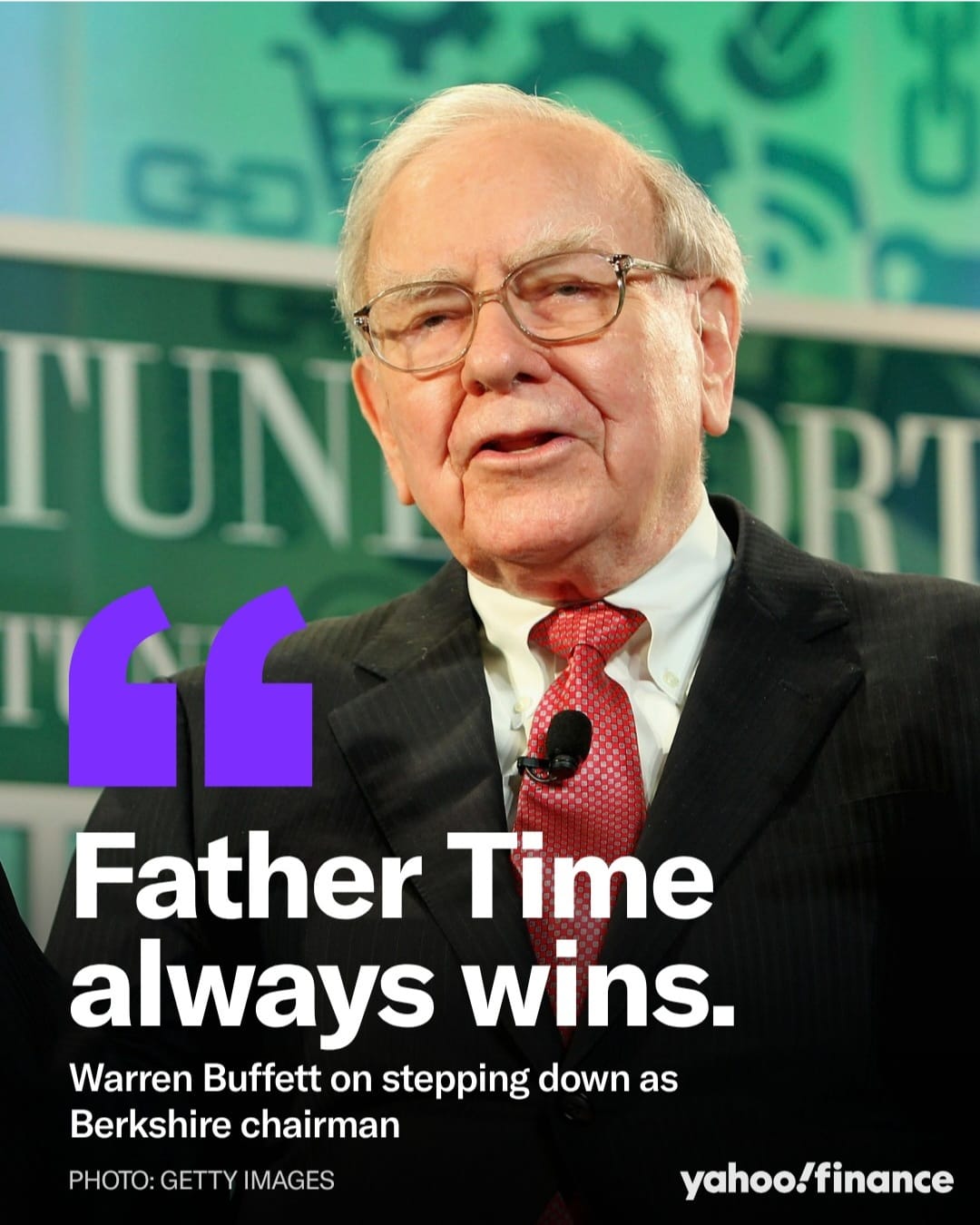
Photo: Getty Images / Yahoo Finance
Historically (from 1965 to 2023), Berkshire Hathaway has achieved a Compound Annual Growth Rate (CAGR) of approximately 19.8%. While this figure may seem modest compared to the "anomalies" of short-term trading gains, it is extraordinary for the following three reasons:
1. The Power of Long-Term Consistency
Buffett's success comes from sustaining ~20% for nearly 60 years, not a single year of 1,000% returns. This illustrates the extreme power of compounding.
The mathematical difference between the market average (S&P 500 at ~10%) and Buffett (~20%) compounds into an exponential gap over a lifetime, not just a doubled one.
- The Market (10%): If you invested roughly $1,000 over 50 years, it would grow to approximately $117,000.
- Buffett (20%): That same $1,000 would grow to approximately $9.1 million.
A simple 2x difference in annual performance results in an 80x difference in final wealth when sustained over decades.
2. The Difficulty of Outperforming the Index
Very few investors can consistently beat the market index over a prolonged period.
- S&P 500 Performance: ~10.2% annually (including dividends).
- Berkshire Hathaway Performance: ~19.8% annually.
While a 9.6% margin seems small in any given year, the cumulative effect is staggering. Over the 1965–2023 period, the S&P 500 delivered a total return of roughly 31,000%, whereas Berkshire Hathaway delivered a total return exceeding 4,380,000%. Outlier years happen, but maintaining an "edge" over the market for half a century is the true miracle.
3. The Constraint of Scale (The Law of Large Numbers)
It is significantly harder to grow a large portfolio than a small one. Buffett has frequently noted that if he were managing only $1 million, he could likely achieve 50% returns by investing in smaller, high-growth companies.
However, because he manages hundreds of billions of dollars, he is forced to invest in massive, mature companies where growth is naturally slower. To maintain a ~20% CAGR despite the "gravity" of such a massive capital base is arguably his most impressive feat.
The 20% figure is the statistical upper limit of sustainable, long-term financial scalability, not a sign of mediocrity. "Anomalies" make for exciting headlines, but "boring" consistency builds dynasties.
Foto: Getty Images / Yahoo Finance
Secara historis (dari 1965 hingga 2023), Berkshire Hathaway telah mencapai Compound Annual Growth Rate (CAGR) sekitar 19,8%. Angka ini mungkin terkesan biasa-biasa saja dibanding "anomali" keuntungan trading jangka pendek, namun sesungguhnya ia luar biasa karena tiga alasan berikut:
1. Kekuatan Konsistensi Jangka Panjang
Kesuksesan Buffett datang dari kemampuannya mempertahankan ~20% selama hampir 60 tahun, bukan dari satu tahun dengan return 1.000%. Inilah yang menggambarkan kekuatan ekstrem dari compounding.
Perbedaan matematis antara rata-rata pasar (S&P 500 ~10%) dan Buffett (~20%) berkembang menjadi kesenjangan eksponensial sepanjang satu masa hidup, bukan sekadar dua kali lipat.
- Pasar (10%): Jika Anda menginvestasikan sekitar $1.000 selama 50 tahun, nilainya akan tumbuh menjadi sekitar $117.000.
- Buffett (20%): $1.000 yang sama akan tumbuh menjadi sekitar $9,1 juta.
Perbedaan return tahunan yang hanya 2x lipat menghasilkan perbedaan kekayaan akhir sebesar 80x lipat ketika dipertahankan selama beberapa dekade.
2. Betapa Sulitnya Mengalahkan Indeks
Sangat sedikit investor yang mampu secara konsisten mengalahkan indeks pasar dalam jangka panjang yang panjang.
- Kinerja S&P 500: ~10,2% per tahun (termasuk dividen).
- Kinerja Berkshire Hathaway: ~19,8% per tahun.
Meskipun selisih 9,6% tampak kecil dalam satu tahun tertentu, efek kumulatifnya sangat menakjubkan. Sepanjang periode 1965–2023, S&P 500 membukukan total return sekitar 31.000%, sementara Berkshire Hathaway membukukan total return yang melampaui 4.380.000%. Tahun-tahun anomali memang terjadi, tapi mempertahankan "keunggulan" atas pasar selama setengah abad adalah mukjizat yang sesungguhnya.
3. Kendala Skala (Hukum Bilangan Besar)
Menumbuhkan portofolio besar jauh lebih sulit daripada portofolio kecil. Buffett sendiri kerap menyatakan bahwa jika ia hanya mengelola $1 juta, ia kemungkinan bisa meraih return 50% dengan berinvestasi di perusahaan-perusahaan kecil yang tumbuh pesat.
Namun karena ia mengelola ratusan miliar dolar, ia terpaksa berinvestasi di perusahaan-perusahaan raksasa yang sudah matang, di mana pertumbuhan secara alamiah lebih lambat. Mempertahankan CAGR ~20% meski dibebani "gravitasi" dari basis modal yang sangat masif ini bisa jadi adalah pencapaiannya yang paling mengesankan.
Angka 20% adalah batas atas statistik dari skalabilitas finansial jangka panjang yang berkelanjutan, bukan tanda kemediokritasan. "Anomali" selalu menjadi berita menarik, tapi konsistensi yang "membosankan" itulah yang membangun dinasti.